From turf wars to teamwork
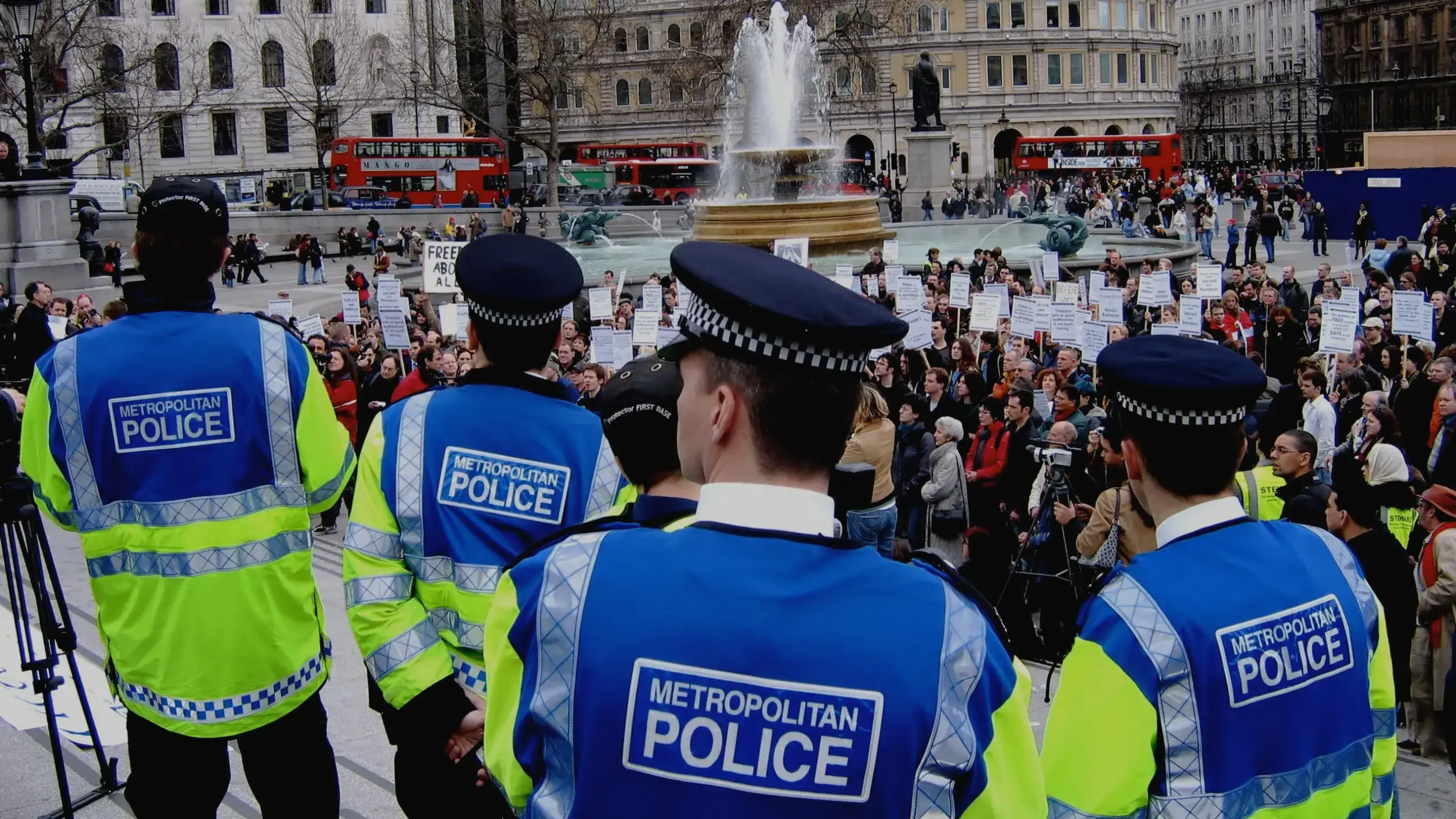
The agile playbook for successful multi-agency projects
SUMMARY
When two large organisations, each with its own priorities, constraints, and culture, collaborate to solve a problem, misalignment can quickly derail even the most well-intentioned projects. The joint initiative between the Metropolitan Police Service (MPS) and Transport for London (TfL) to modernise London's road traffic accident (RTA) reporting could have become a bureaucratic nightmare. Instead, it became a model of collaborative agile delivery, thanks to a well-defined Agile Charter that established clear goals, aligned values, and fostered an environment where cross-organisational teams could thrive.
The Challenge: Disparate Data, Disparate Teams
MPS and TfL both share responsibility for road safety in London, but their operational needs differ. The MPS focuses on incident reporting, investigations, and enforcement, while TfL requires real-time, data-driven insights for managing road safety policy and traffic planning. Both organisations rely on road safety statistics for reporting to the Department for Transport (DfT), but their data collection methods were archaic, involving manual entries, inconsistent record-keeping, and significant delays in reporting serious injuries and fatalities.
Given the high stakes and complex challenges, Radical IT was commissioned to design and implement an automated, real-time data pipeline to transform road traffic data collection and analysis. However, technology alone would not be sufficient; success depended on ensuring that stakeholders from both organisations were fully aligned on goals, ways of working, and mutual trust.
THE AGILE CHARTER - The Foundation for Collaboration
To bridge the cultural and operational gaps between MPS and TfL, the team established an Agile Charter at the project's outset. This document was not merely an idle paper; it became the guiding framework, written by the team members themselves, for every decision, every sprint, and every retrospective. The Agile Charter focused on three key areas:
1. Shared Values: Establishing a Common Purpose
Before writing any code, the teams aligned on a shared mission: "Enable real-time, accurate road safety insights to reduce accidents and save lives". To ensure all stakeholders—police officers, data engineers, policy teams, and developers—felt invested in the outcome, the Agile Charter explicitly defined core team values, including:
- Transparency: Real-time visibility into progress, risks, and blockers across organisations.
- Collaboration: MPS, TfL, and Radical IT acted as equal partners, with shared accountability.
- Continuous learning: A culture of experimentation and adaptation over rigid planning.
- Respect: Recognition of each organisation's priorities while working towards a common goal.
This values-driven approach helped defuse potential conflicts, ensuring that team members worked towards collective success rather than solely advocating for their organisation's interests.
2. Psychological Safety: Creating a Space for Open Communication
When multiple organisations collaborate, people often hesitate to speak up about risks, question decisions, or challenge assumptions—especially in hierarchical institutions like the police force. The Agile Charter explicitly called for a culture of psychological safety, where team members could raise concerns without fear of blame. This was reinforced by:
- Regular cross-organisational retrospectives: Encouraging open discussion about what was working and what wasn't.
- "Red Teaming" sessions: A safe space for constructive challenges to proposed solutions.
- No-blame incident reviews: Focusing on fixing processes, not pointing fingers, when things went wrong.
- Rotating facilitation: Empowering different team members to lead discussions and bring fresh perspectives.
By embedding psychological safety into the team's DNA, MPS and TfL were able to surface and resolve challenges early rather than allowing them to fester.
3. Ways of Working: Aligning on Agile Practices
With competing delivery expectations between the two organisations, standard agile frameworks alone were not enough; they had to be tailored to ensure that everyone operated effectively within their constraints. Key working agreements included:
- Dual product owners: One from MPS (data governance & compliance) and one from TfL (analytics & insights), ensuring balanced decision-making.
- Multi-disciplinary squads: Teams included police analysts, traffic planners, data engineers, and UX researchers, breaking down silos.
- Embedded police liaisons: Officers worked alongside Radical IT's engineers, ensuring real-world usability of solutions.
- Outcome-driven sprints: Each sprint aimed to deliver tangible improvements in data accuracy, processing speed, or user experience.
- Lightweight governance: Decision-making authority was decentralised, reducing bureaucratic bottlenecks.
The Outcome: A Data Pipeline That Transformed Road Safety Reporting
With the Agile Charter keeping the team aligned, the project delivered measurable impact:
- £12.5M annual savings by eliminating manual data entry.
- 250,000 police officer hours freed up for frontline duties.
- Real-time traffic incident models generated in seconds instead of months.
- 95% increase in data accuracy, leading to better road safety interventions.
- Full GDPR and NCSC compliance, ensuring ethical data handling.
Conclusion: The Agile Charter as a Blueprint for Cross-Organisational Collaboration
This project was more than just a technical transformation—it was an organisational alignment success story. By creating a shared Agile Charter, the Met Police, TfL, and Radical IT were able to navigate competing agendas, foster trust, and create a psychologically safe environment for delivery. For organisations embarking on complex, multi-stakeholder agile projects, the lesson is clear: technology is only half the battle—alignment, trust, and psychological safety are just as critical. The Agile Charter wasn't just a document—it was the glue that held everything together.
Download a free copy of our Agile Charter template at radicalit.co.uk/resources.